Adventures
& Expeditions
1
370-Day Backpacking Journey
5
Antarctica First Ascents
2
Mount Everest
6
Atlantic Ocean Row
3
The Seven Summits
7
Mini Adventures
4
North & South Poles
8
Space Journey
From the world’s highest peaks to the quiet vastness of the Poles, Omar’s expeditions have traced a map of both Earth and the human spirit. Each journey pushed him further outward — and, paradoxically, deeper inward.
1. 370-Day Backpacking Journey (2002–2003)

Curiosity & Freedom
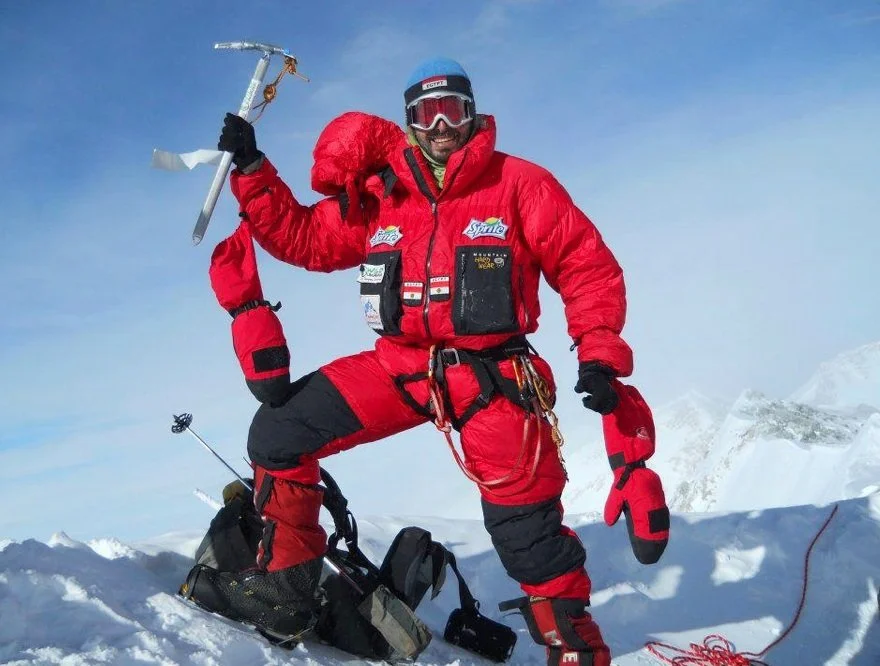
Climbing Mount Everest is often described as the ultimate test of human endurance — not just a physical challenge, but a deep emotional and mental journey into the unknown. For Omar Samra, reaching the summit on May 17, 2007, was far more than a personal achievement. It was the culmination of years of preparation, sacrifice, and an unwavering belief that ordinary people can do extraordinary things when they commit fully to a dream.
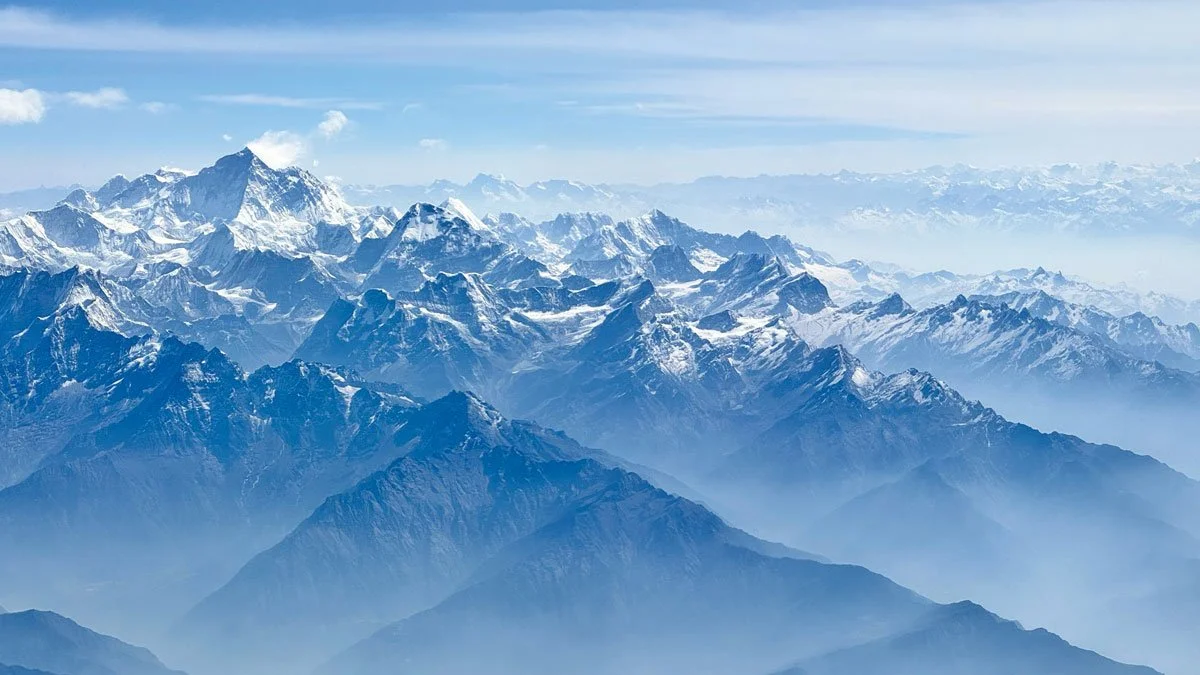
Standing at 8,848 meters, Everest is not a mountain that welcomes people easily. It demands respect, patience, and humility. Omar spent years training his body and mind for the harsh realities of the climb: freezing winds that cut through layers, oxygen levels too thin for clear thought, and the constant risk that one wrong step could end everything. But he also trained for the quieter battles — the loneliness, the doubt, and the days when progress was painfully slow.
The expedition itself lasted weeks. Every day brought a new test: crossing the Khumbu Icefall with its shifting crevasses, navigating the dizzying heights of the Lhotse Face, and waiting out storms that made the mountain feel alive and unpredictable. At times, Omar found himself questioning not whether he would reach the summit, but whether he could keep going. Each challenge stripped life down to its simplest form: breathe, step, survive.
Yet in those moments of difficulty, he found clarity. The mountain forced him into stillness — a place where he learned to listen to his own resilience. He discovered that fear doesn’t vanish; it becomes something you move with rather than hide from. And he learned that sometimes courage is nothing more than taking one more step when every part of you wants to stop.
When Omar finally reached the summit, he wasn’t greeted by fanfare. Everest’s peak is quiet, almost surprisingly so. But in that silence, he felt the weight of everything it took to get there — the years of preparation, the countless sacrifices, and the people who believed in him even when the world said it was impossible. In that moment, he became the first Egyptian and youngest Arab to stand on top of the world.
Coming down the mountain was harder than climbing up, but he carried something new with him: the understanding that true achievement isn’t measured at the summit, but in the courage it takes to attempt the climb at all.
“Freedom isn’t found in escape — it’s found in being fully present, wherever you are.”
2. Mount Everest (2007)
Becoming & Courage
Climbing Mount Everest is often described as the ultimate test of human endurance — not just a physical challenge, but a deep emotional and mental journey into the unknown. For Omar Samra, reaching the summit on May 17, 2007, was far more than a personal achievement. It was the culmination of years of preparation, sacrifice, and an unwavering belief that ordinary people can do extraordinary things when they commit fully to a dream.
Standing at 8,848 meters, Everest is not a mountain that welcomes people easily. It demands respect, patience, and humility. Omar spent years training his body and mind for the harsh realities of the climb: freezing winds that cut through layers, oxygen levels too thin for clear thought, and the constant risk that one wrong step could end everything. But he also trained for the quieter battles — the loneliness, the doubt, and the days when progress was painfully slow.
The expedition itself lasted weeks. Every day brought a new test: crossing the Khumbu Icefall with its shifting crevasses, navigating the dizzying heights of the Lhotse Face, and waiting out storms that made the mountain feel alive and unpredictable. At times, Omar found himself questioning not whether he would reach the summit, but whether he could keep going. Each challenge stripped life down to its simplest form: breathe, step, survive.
Yet in those moments of difficulty, he found clarity. The mountain forced him into stillness — a place where he learned to listen to his own resilience. He discovered that fear doesn’t vanish; it becomes something you move with rather than hide from. And he learned that sometimes courage is nothing more than taking one more step when every part of you wants to stop.
When Omar finally reached the summit, he wasn’t greeted by fanfare. Everest’s peak is quiet, almost surprisingly so. But in that silence, he felt the weight of everything it took to get there — the years of preparation, the countless sacrifices, and the people who believed in him even when the world said it was impossible. In that moment, he became the first Egyptian and youngest Arab to stand on top of the world.
Coming down the mountain was harder than climbing up, but he carried something new with him: the understanding that true achievement isn’t measured at the summit, but in the courage it takes to attempt the climb at all.
“Everest taught me that reaching the top changes far less than the climb itself does.”
3. The Seven Summits (2007–2013)
Mastery & Perseverance
Climbing Mount Everest is often described as the ultimate test of human endurance — not just a physical challenge, but a deep emotional and mental journey into the unknown. For Omar Samra, reaching the summit on May 17, 2007, was far more than a personal achievement. It was the culmination of years of preparation, sacrifice, and an unwavering belief that ordinary people can do extraordinary things when they commit fully to a dream.
Standing at 8,848 meters, Everest is not a mountain that welcomes people easily. It demands respect, patience, and humility. Omar spent years training his body and mind for the harsh realities of the climb: freezing winds that cut through layers, oxygen levels too thin for clear thought, and the constant risk that one wrong step could end everything. But he also trained for the quieter battles — the loneliness, the doubt, and the days when progress was painfully slow.
The expedition itself lasted weeks. Every day brought a new test: crossing the Khumbu Icefall with its shifting crevasses, navigating the dizzying heights of the Lhotse Face, and waiting out storms that made the mountain feel alive and unpredictable. At times, Omar found himself questioning not whether he would reach the summit, but whether he could keep going. Each challenge stripped life down to its simplest form: breathe, step, survive.
Yet in those moments of difficulty, he found clarity. The mountain forced him into stillness — a place where he learned to listen to his own resilience. He discovered that fear doesn’t vanish; it becomes something you move with rather than hide from. And he learned that sometimes courage is nothing more than taking one more step when every part of you wants to stop.
When Omar finally reached the summit, he wasn’t greeted by fanfare. Everest’s peak is quiet, almost surprisingly so. But in that silence, he felt the weight of everything it took to get there — the years of preparation, the countless sacrifices, and the people who believed in him even when the world said it was impossible. In that moment, he became the first Egyptian and youngest Arab to stand on top of the world.
Coming down the mountain was harder than climbing up, but he carried something new with him: the understanding that true achievement isn’t measured at the summit, but in the courage it takes to attempt the climb at all.
“Each summit felt smaller than the lesson it carried.”